
Should Your Company Enter the Middle East?
A practical guide for international companies considering Middle East expansion—covering opportunity, risk, regional languages, localization, AI readiness, and what to prepare before launch.
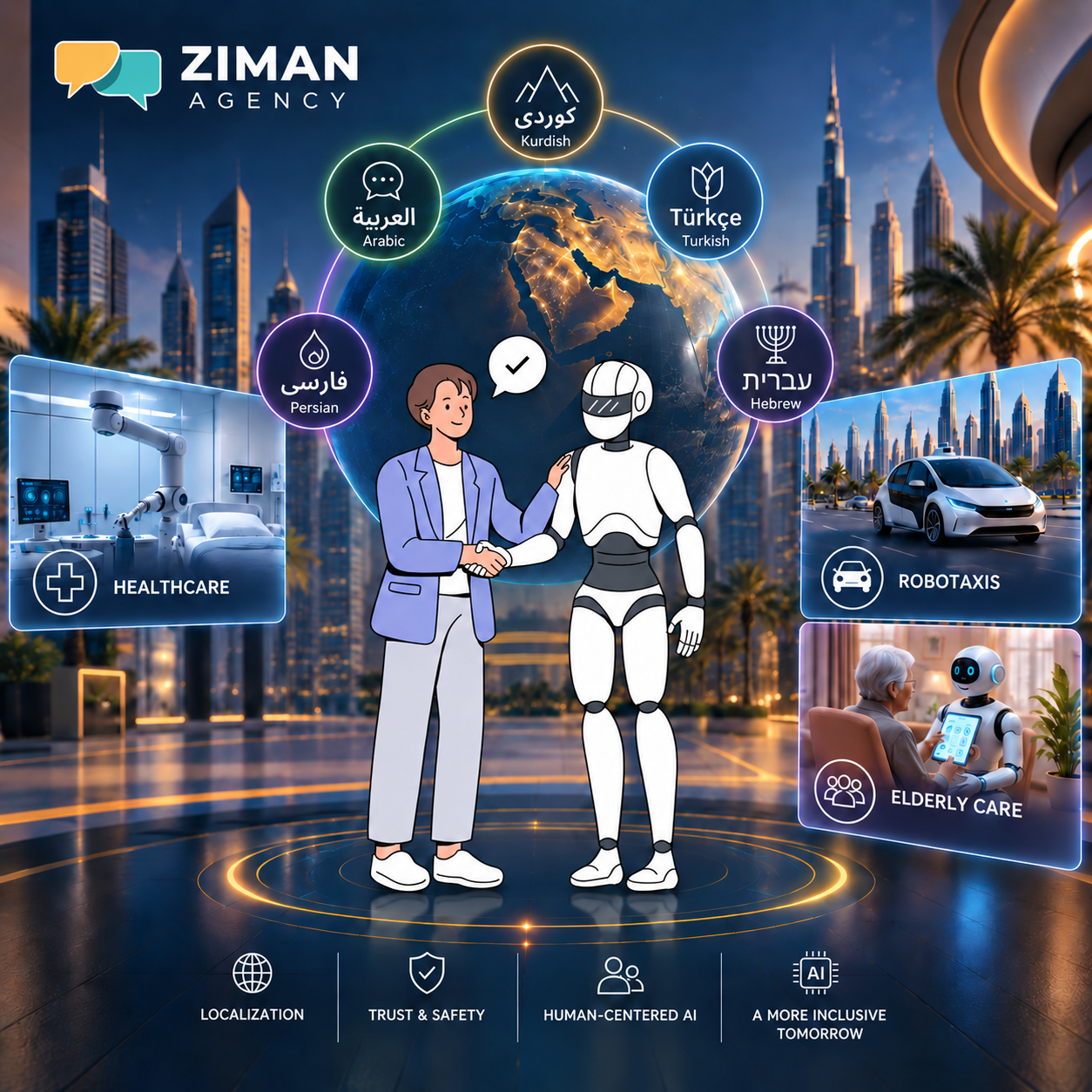
Beyond the Chip: Why Language and Localization Will Define Robotics and AI in the Middle East
As robotics and physical AI expand across the Middle East, language and localization will become essential to how these systems understand people, places and real-world instructions. We explore what this means for Kurdish, Arabic, Turkish, Persian and Hebrew — from robotaxis and healthcare to industry and everyday services.
From AI Experimentation to Global Localization Execution
Enterprise localization is moving from AI experimentation to real execution. This article explains why localization strategy must now consider the U.S., Europe, and the Middle East, and why AI-supported workflows still need human judgment, governance, cultural expertise, and market-ready quality.
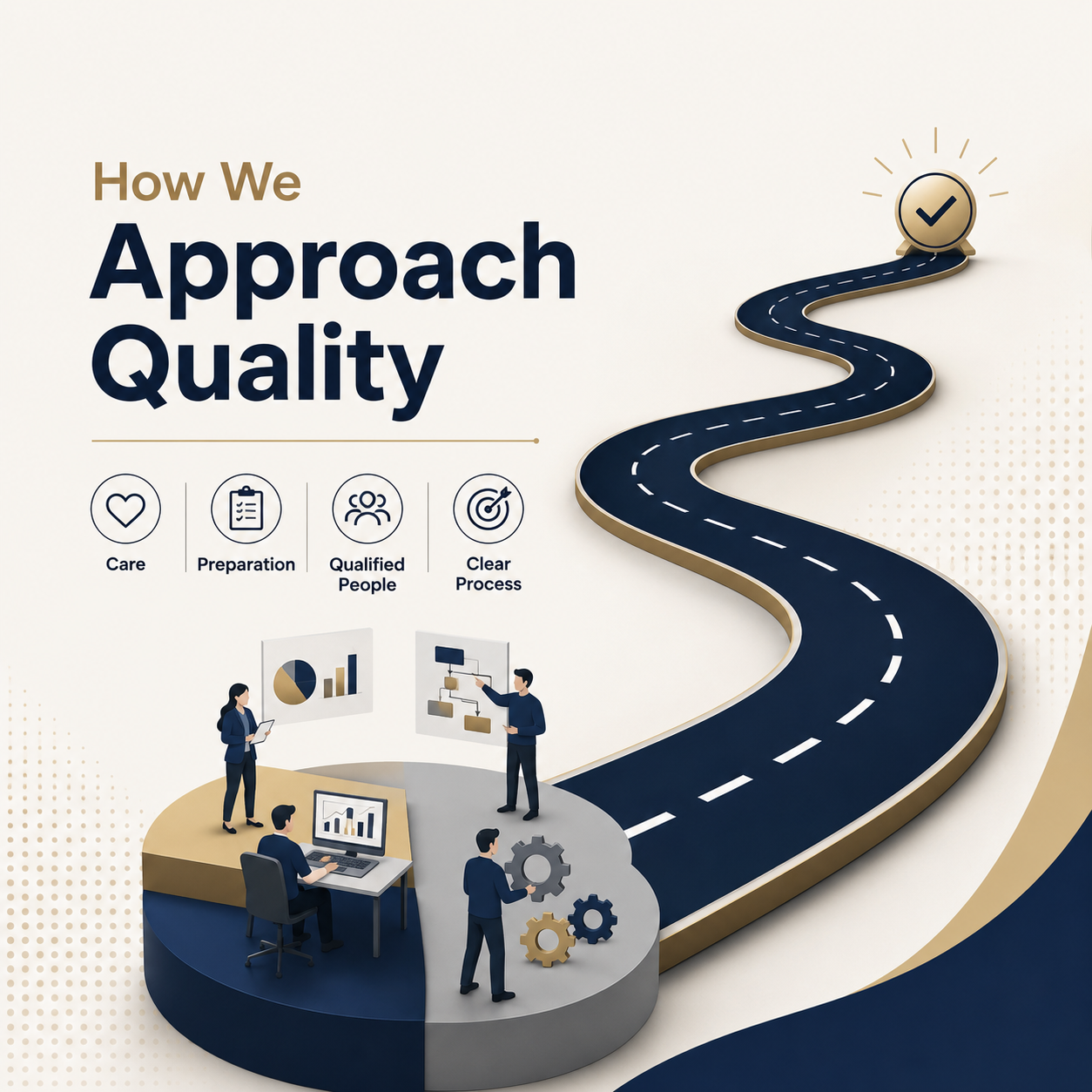
How We Approach Quality at Ziman Agency
At Ziman Agency, quality starts before delivery. It begins with clear requirements, suitable resources, structured workflows, review steps, and continuous improvement across translation, localization, multimedia language services, AI support, DTP, and tech talent support.
Kurdish Dialects, AI, and Tech Talent: Why Kurdish Language Expertise Matters in the Digital Age
Explore the main Kurdish dialects, including Kurmanji, Sorani, and Southern Kurdish, and learn why Kurdish language expertise matters for translation, localization, AI data, and tech talent in the digital age.
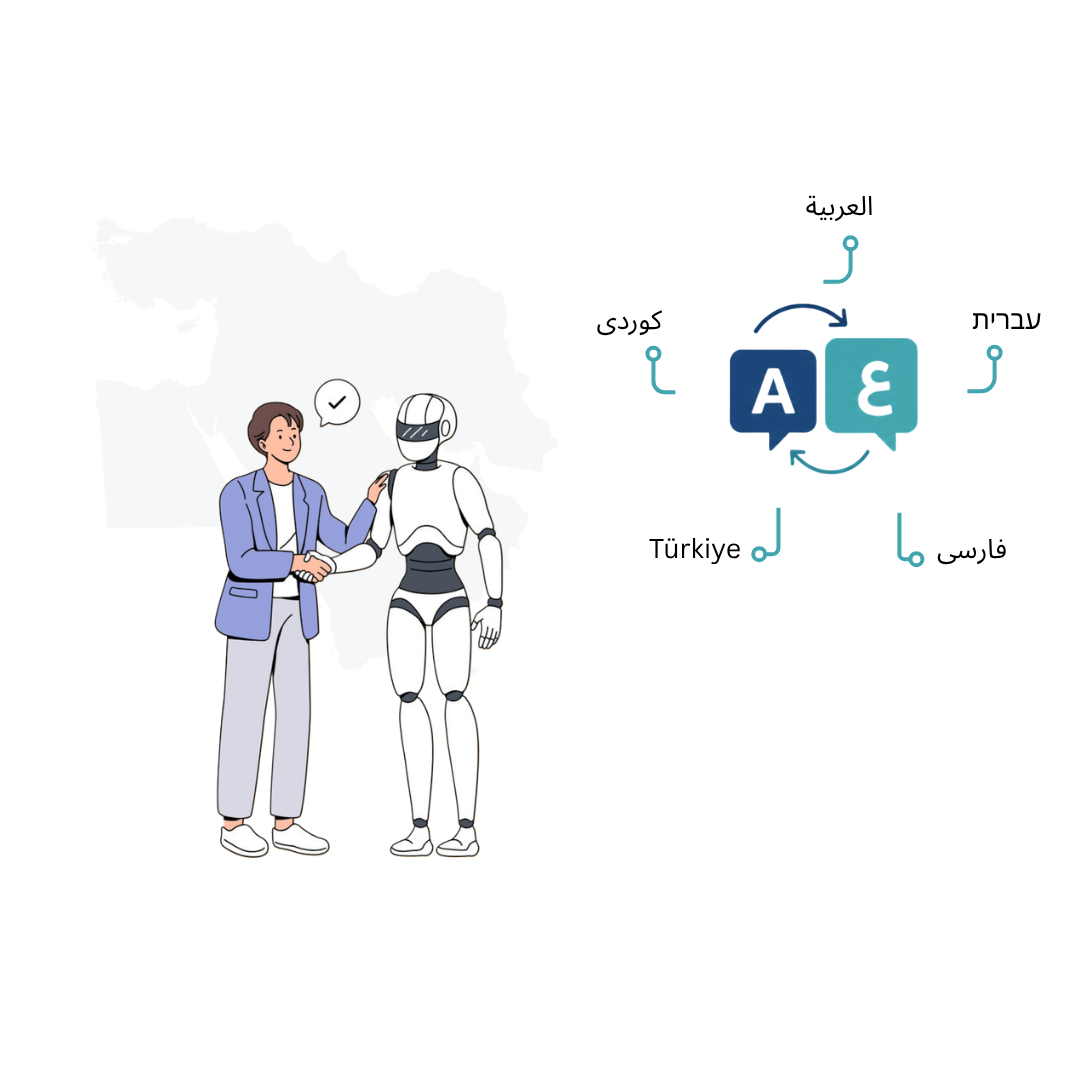
Why Translation Still Matters in the Age of AI - Especially in the Middle East
AI is changing translation, but human language expertise remains essential for culture, trust, accuracy, and business success in Middle Eastern markets.
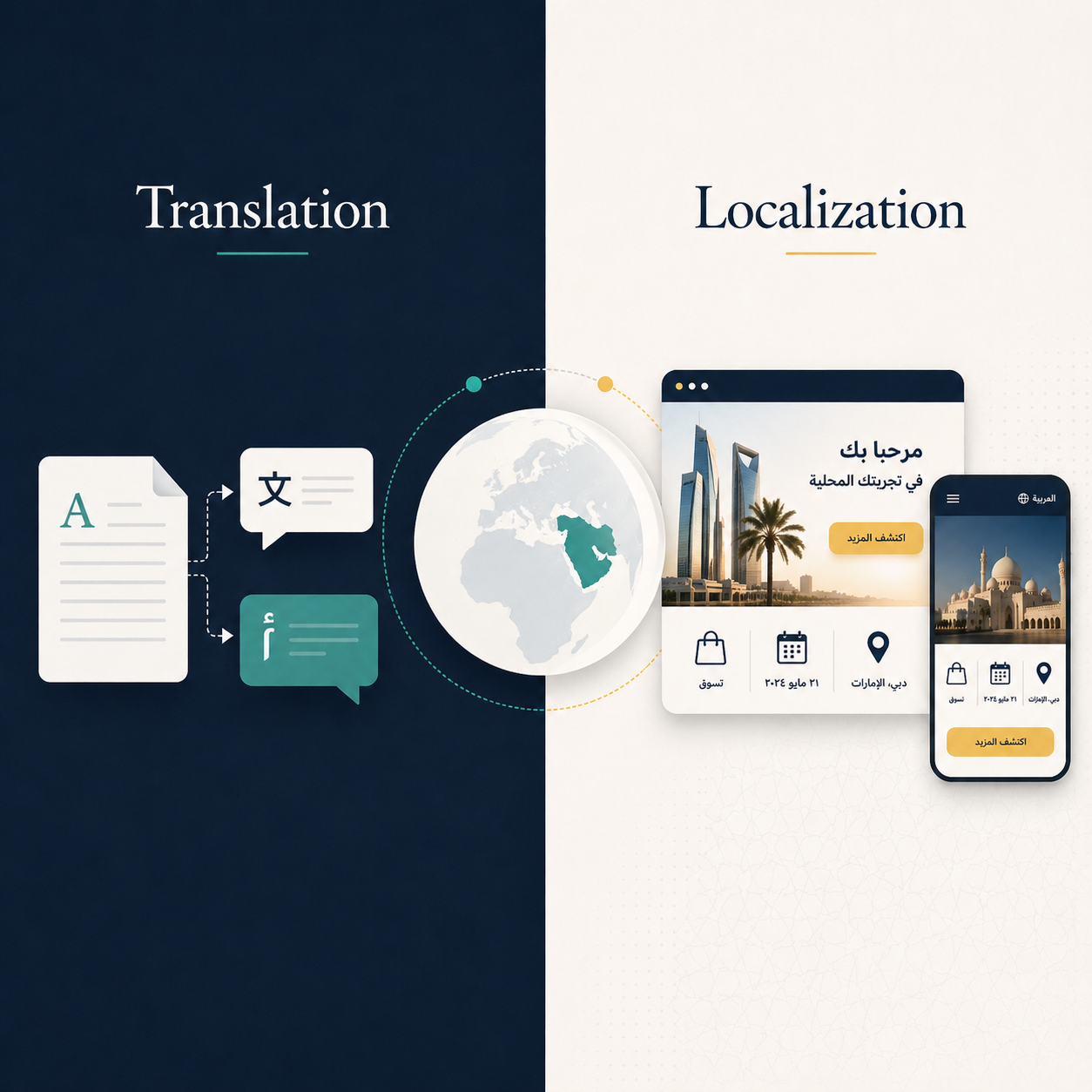
Translation vs. Localization: What’s the Difference?
A practical look at how translation and localization serve different goals across languages, audiences, and markets.